
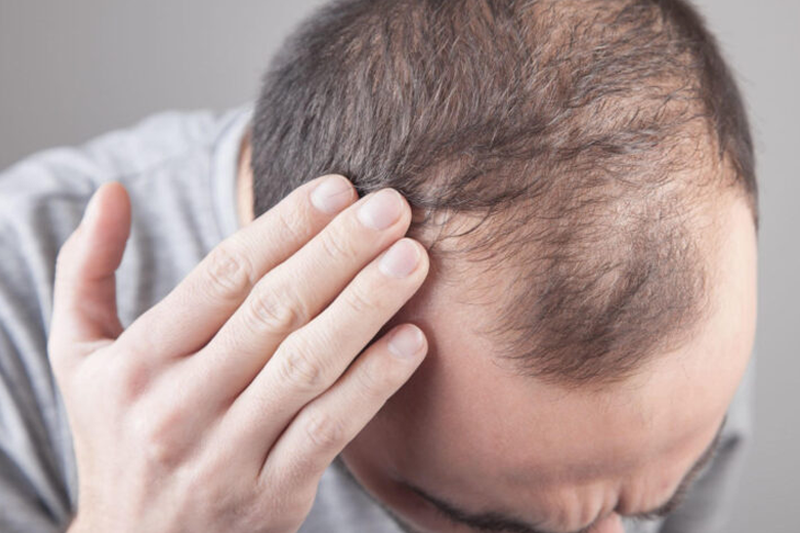
Scientifically, hair loss is not caused by a single factor. There are different types of hair loss, such as androgenetic alopecia, telogen effluvium, alopecia areata, and traumatic hair loss. through different biological mechanisms This is why the type and progression pattern of hair loss must be scientifically analyzed before planning a hair transplant.
Biological Factors Influencing the Decision to Get a Hair Transplant
According to academic studies, the factors that directly affect the success of hair transplantation are not limited to the donor area alone. The following biological parameters play a decisive role in long-term results:
Hair loss in either active or stable phase
Scalp elasticity in the recipient area
Microcirculation capacity
Hair strand thickness and pigment density
Hair transplants performed without considering these factors can lead to unnatural appearances in later years.
Shock Spills and Their Scientific Background
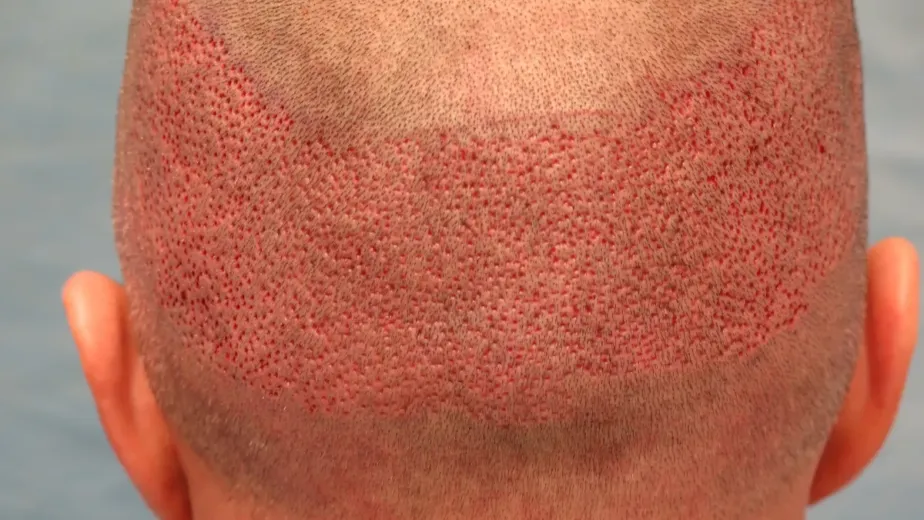
Shock hair loss after hair transplantation is often misinterpreted. Scientifically, this condition refers to hair follicles being damaged after a hair transplant. temporary entry into telogen phase This is explained by the fact that this process is a physiological, not a pathological, adaptation mechanism and does not mean permanent hair loss.
The Role of Preliminary Analysis in Hair Transplantation Centers in Ankara
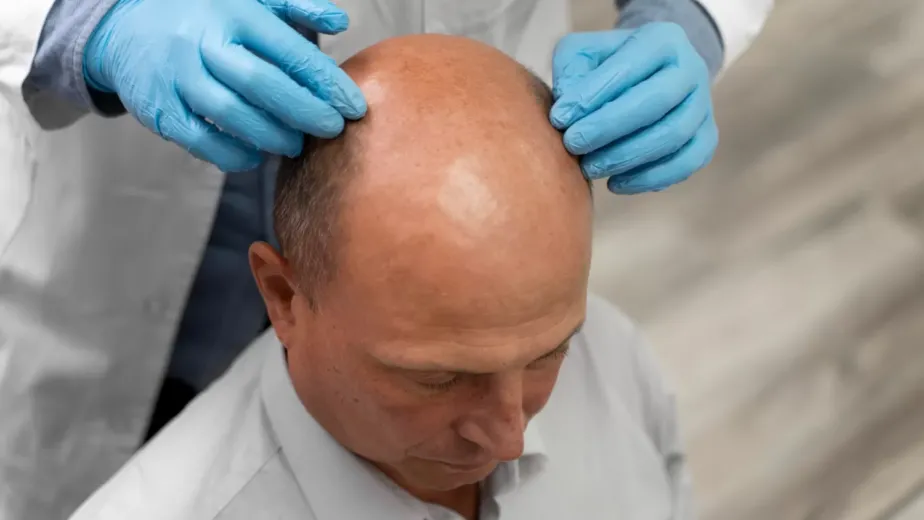
In Ankara, successful hair transplant procedures are based on detailed preliminary assessments and personalized planning. Transplants performed by predicting the future course of hair loss provide more sustainable results in terms of both density and naturalness.
Hair transplantation is not only about filling in existing hairless areas, a scientific plan that also takes future hair loss into account This is why a proper analysis before hair transplantation is the most critical step in determining the success of the procedure.

 English
  Turkish
  Arabic